
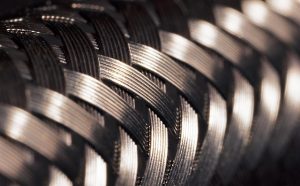
Stainless steel is prized for its unique combination of strength and durability. It’s roughly 2.5 times heavier than aluminum and boasts a higher tensile strength and shear strength. At the same time, stainless steel features a layer of chromium oxide that protects it from rust and corrosion. When cleaning stainless steel, however, you should avoid making the following mistakes.
#1) Using an Abrasive Scrubber
It may be strong, but stainless steel isn’t immune to scratches. Cleaning stainless steel with an abrasive scrubber may damage the surface. Steel wool and wire brushes, for instance, can leave deep scratches. In addition to removing the protective chromium oxide layer, these scratches can trap dirt and debris. Rather than an abrasive scrubber, use a gentle scrubber like a microfiber cloth or a non-abrasive sponge.
#2) Using a Multi-Surface Cleaner
You should generally avoid cleaning stainless steel with a multi-surface or “all-purpose” cleaner. While some of them are safe, many of them contain harsh chemicals like chlorine or ammonia. Exposure to these harsh chemicals can damage stainless steel. You can still use a store-bought cleaner, but check the label to ensure it’s safe to use on steel surfaces.
#3) Using Concentrated Vinegar
Because it’s an all-natural product, some people assume that concentrated vinegar is safe to use on stainless steel. The problem with concentrated vinegar, though, is that it has a very low pH level. Just 10% concentrated vinegar, for instance, has a pH of about 2.1, and standard 5% concentrated vinegar has a pH of about 2.5. If you’re going to use vinegar, choose a low-concentration formula and dilute it with water.
#4) Going Against the Grain
Another common mistake to avoid when cleaning stainless steel is going against the grain. Like wood, stainless steel has a grain. It’s the arrangement of the micro-sized crystals or “grains.” Wiping stainless steel in the opposite direction of the grain can leave behind scratches. Alternatively, it may push dirt and debris deeper into the steel’s grooves. You can maintain the clean and polished appearance of stainless steel by cleaning it in the same direction as the grain.
#5) Air-Drying
If you’re going to clean stainless steel with water or a water-based solution, you should typically avoid air-drying it. Instead, use a clean cloth to dry it. What’s wrong with air-drying stainless steel exactly? Unless you use distilled or filtered water, it likely has minerals. When applied to stainless steel, these minerals can leave behind visible marks.