
Fastening systems are used in a wide range of commercial and consumer products. Among the many types of fastening systems is the draw latch. They stand out for their simplicity and ease of use. Draw latches don’t require any special tools to use. Rather, they allow for fast engagement and disengagement. Below is a list of frequently asked questions and answers about draw latches.
What Are Draw Latches?
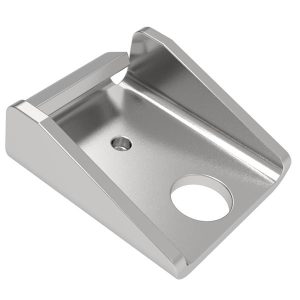
Draw latches are mechanical latching devices that are designed to pull two objects together. They typically consist of two parts: a hook or blade and a catch. The hook or blade connects to the catch, thereby securing the two objects together.
Why Are They Called Draw Latches?
Draw latches receive their namesake from their ability to pull or “draw” objects together. The hook or plate creates tension with the catch. This mechanism draws the objects together.
What Materials Are Draw Latches Made Of?
You can find draw latches in different materials, such as steel, stainless steel and zinc alloy. Steel draw latches offer a superior level of strength and durability, making them ideal for applications involving heavy loads. Stainless steel draw latches, on the other hand, offer better protection against rust and corrosion. Zinc alloy draw latches are also highly resistant to rust and corrosion while also boasting a stylish appearance.
What’s the Difference Between Flush- and Surface-Mounted Draw Latches?
Some draw latches are flush-mounted, whereas others are surface-mounted. They both feature the same basic parts, such as a book or blade and a catch, and they are both used for the same purpose of pulling and holding two objects together. The difference is that flush-mounted draw latches are mounted directly on the surface of the objects, whereas flush-mounted draw latches feature a recessed design that allows them to sit flush.
What Are Draw Latches Used For?
Common applications for draw latches include toolboxes, maintenance panels, electronics enclosures, RV drawers, machinery panels, automotive components, HVAC equipment, lids and more.
What Is a Secondary Catch?
When shopping for draw latches, you may notice that some of them have a secondary catch. This optional safety feature is designed to prevent accidental disengagement. If the primary latch becomes disengaged, for instance, the secondary catch will continue to hold the two objects together. It essentially adds another layer of security to ensure the objects stay connected.
Do Draw Latches Require Maintenance
Draw latches typically require little or no maintenance. You should generally inspect for wear, and if needed, apply light lubrication to the moveable parts.