
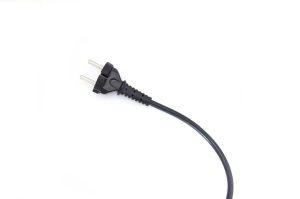
When shopping for electrical cable, you may come across portable cord. It’s commonly used for power tools, lighting, computer systems, audio and stage equipment, industrial machines and more. Like all electrical cable, portable cord is designed to carry electricity. Portable cord, however, offers a superior level of portability.
What Is Portable Cord?
Portable cord is a type of electrical cable that’s intended for temporary use. It bends easily and holds up under constant handling. While other types of electrical cable are typically designed for permanent use, these characteristics make portable cable ideal for temporary use. You can easily move it from place to place without damaging it.
Benefits of portable cord include the following:
- Cost-effective
- Durable
- Flexible
- Quick and easy to install
- Suitable for indoor and outdoor use
Construction of Portable Cord
While available in different types, most portable cord features copper conductors. The inner core consists of fine strands of copper, which are more flexible than the thicker copper conductors found in permanent electrical cable.
Portable cord’s copper conductors are nestled inside insulation. Some types of portable cord use rubber insulation, whereas others use thermoplastic or thermoset insulation. Finally, the exterior consists of an outer shell or jacket. This outer layer shields the copper conductors from abrasion, moisture and environmental pollutants.
Common Types of Portable Cord
Portable cord is characterized by its ability to be easily moved, making it portable and non-permanent, but there are many different types of portable cord. Common types include SO, SOW, SOOW, SEOW, SEOOW, SJOW, W, G-GC, SHD-GC, MP-GC and DLO.
Each letter represents features related to the cord’s properties. The “S,” for instance” stands for “service.” Portable cord types with the letter “S” in their classification name can withstand physical damage like cuts, impacts and abrasions.
The “OO” letter combination, on the other hand, indicates oil resistance. Portable cord types with the letter combination “OO” in their classification name feature an oil-resistant jacket and insulation.
The “W” letter indicates water and weather resistance. Many types of portable cord are designed to withstand moisture. You can use them in humid or wet environments without fear of them succumbing to moisture damage. These are just a few examples of the different types of portable cord.
In Conclusion
Portable cord isn’t just ordinary electrical cable; it’s designed for maximum portability, which makes it more versatile than most other cable types. Just remember to choose the right portable cord for your next project. With so many types available, each marked with letters that signal specific strengths, it pays to match the cord to the demands of your environment.