
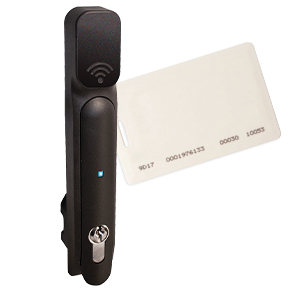
Electromechanical latches have become a popular alternative to traditional mechanical latches. They don’t rely entirely on mechanical components to fasten doors, gates and other objects. Instead, electromechanical latches feature both mechanical and electric components. Below are six benefits of electromechanical latches.
#1) Access Control
Electromechanical latches offer an easy solution for access control. Once installed, they prevent unauthorized access to secure areas. Many businesses, for instance, use them to ensure that only employees with the appropriate level of authority can access sensitive areas like storage rooms.
#2) Reliable
You can rest assured knowing that electromechanical latches are reliable. While available in different types, all electromechanical latches feature two main components: a mechanical bolt or cam and an electric actuator. The bolt or cam provides a physical hold, whereas the actuator determines when the bolt or cam moves. It’s a simple yet highly reliable latching setup that offers consistent results.
#3) Keyless Design
Most electromechanical latches are keyless. They still provide an effective means of access control, but they typically don’t require a key. Some electromechanical latches use a radio-frequency identification (RFID) card or device. When placed near the latch, the RFID card or device will send a signal to the actuator, telling it to disengage the bolt or cam. Other electromechanical latches use a keypad, requiring authorized users to enter a specific combination of numbers. Regardless, you can open most electromechanical latches without a key.
#4) Fast
Electromechanical latches work very quickly. Once the actuator receives the necessary signal, it will disengage the bolt or cam. Depending on the specific type of electromechanical latch, this may happen in just a few dozen milliseconds. As a result, doors and gates equipped with electromechanical latches operate smoothly even during periods of high traffic.
#5) Convenience
Another benefit of electromechanical latches is convenience. They allow employees and other authorized individuals to open doors from a distance. Drive-through gates, for instance, often use RFID-based electromechanical latches for this reason. Drivers don’t have to get out of their vehicles, as the latches’ actuators automatically read their RFID cards or devices from afar.
#6) Long-Lasting
Electromechanical latches last a very long time. They are built for continuous use, with a focus on reliability and longevity. Many newer electromechanical latches can exceed 100,000 locking/latching cycles — all while offering a convenient and effective means of access control.