
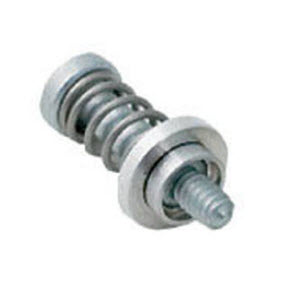
If you regularly build or assemble semiconductor devices, you should consider investing in heat sink captive screws. Like all screws, they feature a threaded body. Heat sink captive screws, however, are specialized fasteners designed specifically for use with heat sinks. Here’s a beginner’s guide to heat sink captive screws.
What Are Heat Sink Captive Screws?
Heat sink captive screws are threaded fasteners that connect heat sinks to electrical components. They are designed to resist loosening, allowing for a secure and long-lasting connection.
Understanding Heat Sinks
Heat sinks play an important role in many semiconductor devices. As their name suggests, they act as a “sink” for heat. Electrical components in computers and other semiconductor devices produce a lot of heat. Heat sinks pull heat away from these components to prevent them from overheating.
Heat sinks are commonly used with the following electrical components:
- Central Processing Units (CPUs)
- Graphics Processing Units (GPUs)
- Random Access Memory (RAM)
- Power transistors
- Chipsets
Common Features of Heat Sink Captive Screws
Heat sink captive screws have several features that distinguish them from traditional screws, one of which is a captive mechanism. They are permanently retained within the heat sink. Unlike traditional screws, they can’t fall out.
While there are different styles of heat sink captive screws, many of them have a built-in spring. This spring applies a controlled load as the screw is tightened, resulting in even pressure across the mounting surface. Heat sinks, of course, must sit flush. If they are uneven, air gaps will be created that reduce their cooling performance.
Another common feature of heat sink captive screws is flexibility. Electrical components are affected by thermal expansion. As they heat up, they will expand. As the components cool down, they will contract and return to their original size. Heat sink captive screws allow for expansion and contraction without losing their clamping force.
Advantages of Heat Sink Captive Screws
With their captive mechanism, heat sink captive screws are quick and easy to install. The captive mechanism prevents them from falling out — even when loosened. Therefore, technicians don’t have to worry about losing these otherwise small screws during installation.
Heat sink captive screws protect against over-tightening. The spring-loaded design ensures the load is properly distributed. As a result, heat sink captive screws aren’t susceptible to over-tightening.
Heat sink captive screws improve heat transfer. They don’t have air gaps because they are seated evenly. And without air gaps, they promote better heat transfer, which in turn protects electrical components from heat-related damage.