
It’s frustrating when you install a new door hinge, only to discover that the door will no longer fully open or close. Door hinges should facilitate a smooth opening and closing action. If you encounter resistance, you may be dealing with a bound hinge.
What Is Hinge Binding?
Hinge binding is a phenomenon that involves excessive resistance preventing or interfering with a door’s ability to open and close.
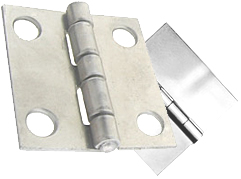
Most doors feature three hinges spaced 30 inches apart. Consisting of two leaks and a pin-secured knuckle, these mechanical bearings allow doors to open and close. One leaf of each hinge is attached to the door and one leaf is attached to the adjacent frame. With hinge binding, resistance prevents or interferes with the door’s ability to open and close.
Why Hinge Binding Is a Problem
When left unchecked, hinge binding can damage door hinges. It’s often characterized by friction, which manifests in the form of resistance. The hinge’s leafs or pin may rub together. Over time, this constant rubbing can degrade the hinge.
Hinge binding can also make homes and indoor spaces less efficient. If you can’t close a door all the way, heated or air-conditioned air will leak out. Bound hinges often have gaps that allow heated or air-conditioned air will leak out while subsequently raising energy costs for homeowners. According to the U.S. Environmental Protection Agency (EPA), sealing air leaks such as this can save homeowners an average of 11% on their total energy costs.
Causes of Hinge Binding
You might be wondering what causes hinge binding. Because it’s a general term used to describe door hinges that won’t open or close properly due to resistance, it can have many causes.
Shallow or deep mortises can cause hinge binding. Most door hinges are mortised so that they sit flush with the surface of the door and frame. If the mortise is too shallow, though, they will stick out. And if the mortise is too deep, the door hinges will sink. Regardless, shallow or deep mortises can cause hinges to sit unevenly and experience hinge binding.
Humidity can cause hinge binding. Humidity is a measurement of moisture vapor in the air. When unfinished wood doors are regularly exposed to high humidity, they may swell. They will absorb this airborne moisture, resulting in swelling. This swelling can compress the hinges with which they are mounted, resulting in hinge binding.
Normal wear and tear can cause hinge binding. Door hinges don’t last forever. Over time, they may corrode or otherwise degrade, which can make them harder to close.