
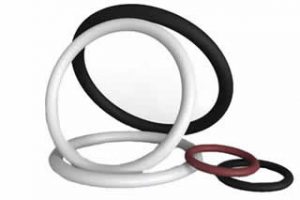
British Standard (BS) O-rings are used in a wide range of industries. Like all O-rings, they are designed to prevent leaks. They fit between two or more parts to create a fluid- and air-tight mating surface. While they look like most other O-rings, however, BS O-rings follow strict manufacturing specifications that distinguish them from other styles.
The Basics of BS O-Rings
BS O-rings are circular, donut-shaped mechanical seals that follow the British Standard. Pioneered by the British Standards Institution (BSI), they are precision-engineered sealing components. BS O-rings have strict tolerances to ensure a proper seal.
Common types of BS O-rings include the following:
- 903
- 902
- 886
- 884
- 882
- 880
- 878
- 876
- 874
- 872
- 870
- 869
- 868
How BS O-Rings Work
BS O-rings work by compressing to prevent fluids, air or gases from escaping. They are commonly used on mating surfaces through which pressurized substances flow. When fluids or gases heat up, they become pressurized. Once pressurized, they can leak out of unsealed spaces, such as mating surfaces. BS O-rings protect against such leaks by creating a tight seal once compressed.
What Are BS O-Rings Made Of?
You can find BS O-rings in different materials. Polyurethane BS O-rings are a popular choice due to their flexibility and resistance to tearing, abrasion and deformation. Neoprene BS O-rings are typically better suited for harsh environments, as they can withstand weathering and ozone. Nitrile BS O-rings offer excellent resistance to oils, fuels and many other industrial chemicals.
Silicone BS O-rings are commonly used in sealing applications involving a wide temperature range. They remain pliable at low temperatures while still being able to handle high temperatures. Some BS O-rings are made of fluorosilicone. They feature the flexibility of silicone with the added benefit of improved chemical resistance.
BS O-Ring Durometer Ratings
If you’re planning to use BS O-rings, you should pay close attention to their durometer ratings. Ranging from 0 to 100, durometer ratings represent how soft or hard an object or material is. The higher a BS O-ring’s durometer rating, the harder it will be.
Some BS O-rings have a durometer rating of 70, whereas others have a rating of 90. A durometer rating of 70 indicates medium-hardness, such as a car tire. A durometer rating of 90, on the other hand, is very hard, similar to a wheel skate.