
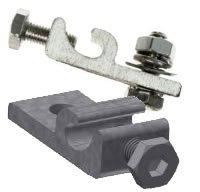
When installing solar panels or other electrical equipment, you may want to use grounding lugs. Consisting of a nut and screw, they are used in grounding systems. Lug nuts provide a safe pathway for overcurrent. Rather than traveling through the electrical equipment — where it can cause costly damage or bodily injury — the excess current will travel through the grounding lugs and into the earth. Here are several things to consider when choosing grounding lugs.
#1) Material
You should consider the material when choosing grounding lugs. All grounding lugs are designed to provide a safe pathway for overcurrent, so they need to be made of a highly conductive material. Popular materials for grounding lugs include copper and aluminum. They are both highly conductive and work well for grounding lugs.
#2) Corrosion Resistance
If you’re planning to use them outdoors, you should choose grounding lugs with a high level of corrosion resistance. Moisture can cause many metals and alloys to corrode, including aluminum and copper. As corrosion builds up on the surface of a grounding lug, it can interfere with the lug’s ability to conduct electricity. A simple solution is plating. Some grounding lugs are plated in tin, which acts as a corrosion-resistant shell while ensuring electricity can still travel through the lug.
#3) Style
Grounding lugs are available in different styles, such as mechanical, weld-on and compression. Mechanical grounding lugs are the most common. They typically feature a screw in a wire housing unit. An electrical wire is placed in the housing unit, after which the screw and nut are tightened so that the lug presses against the wire and holds it in place. Weld-on grounding lugs, on the other hand, are welded onto equipment, whereas compression grounding lugs are crimped.
#4) Cost
The price of grounding lugs can vary. Aluminum grounding lugs, for instance, typically cost less than copper grounding lugs. With that said, copper grounding lugs may prove more cost-effective over time due to their superior durability.
#5) Size
One of the most important things to consider when choosing grounding lugs is the size. Like the wires with which they are used, grounding lugs are available in different sizes. Some of them accommodate larger and thicker wire than others, which is indicated by the lug’s American Wire Gauge (AWG) rating. Make sure the grounding lug can accept the AWG of the wire with which you intend to use it.