
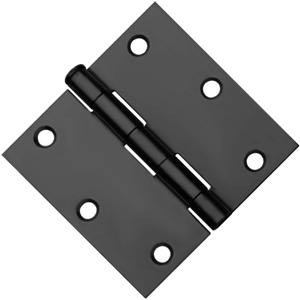
Have you noticed rust buildup on one or more of your door hinges? Rust is more than just an aesthetic issue; it can affect a hinge’s performance. Rusty door hinges may squeak, stick or experience excess friction. If left unchecked, they may deteriorate to the point where they no longer provide a smooth opening and closing action. By understanding what causes door hinges to rust, however, you can take preventive action.
Water
Water is perhaps the most common cause of rusting. Hinges used on exterior doors are often exposed to water. When it rains, water may drip down the side of the door, potentially reaching the hinges. Melting snow can have a similar effect by exposing door hinges to water. Regardless, water exposure causes the iron content in door hinges to oxidize, resulting in the formation of iron oxide or what’s more commonly known as rust.
Humidity
Even if a door hinge isn’t directly exposed to flowing water, it may rust from humidity. Humidity is airborne moisture vapor. Even if the air looks dry, there’s almost always some moisture floating around in the form of humidity. Prolonged exposure to high humidity can cause door hinges to rust.
Salt
Salt can cause door hinges to rust. If you live near a coastal area, hinges on external doors may be exposed to salt. Alternatively, salt from snow plows during the winter can expose external doors to salt. Salt essentially speeds up the oxidation process while also creating friction that wears down door hinges.
Worn Finish
A worn finish can cause door hinges to rust. Most door hinges are designed with a protective coating. Known as a finish, it acts as a protective barrier to prevent rust and corrosion. Common finishes include zinc plating, powder coating and paint. Over time, though, these finishes can degrade. Once the finish has been compromised, water and moisture may reach the hinge’s underlying material to create rust.
Low-Quality Hinges
The quality of a door hinge can affect its susceptibility to rusting. Not surprisingly, low-quality door hinges are more likely to rust than high-quality door hinges. Low-quality door hinges are often made using cheap material and thin finishes (or no finish at all). When scratched or worn, they will begin to rust.
If you’re dealing with a rusty door hinge, you should consider replacing it. Most door hinges are easy to replace and require nothing more than a screwdriver.