
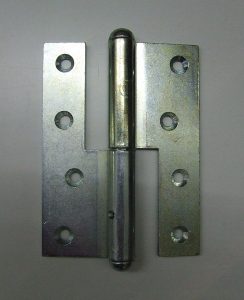
From doors and gates to cabinets, access panels and more, hinges play an important role in many everyday objects. They are used to join two or more objects while allowing for a limited angle of rotation. As mechanical bearings, however, hinges rely on moving parts. Over time, friction can cause these parts to degrade or fail.
Why Hinges Need Lubrication
While most hinges are easy to replace, you can protect them from premature wear and tear with lubrication. Lubricants are designed specifically to reduce friction. They typically work by creating a thin barrier or film between a hinge’s moving parts. The parts will still be able to move as intended, but they’ll encounter less resistance and produce heat.
Lubrication can extend the life of your hinges. Most hinges last 10 to 15 years on average. Without lubrication, though, they may fail prematurely. The leafs or pin may fail, at which point you may no longer be able to use the hinge.
You’ll have an easier time opening doors if you regularly lubricate the hinges. Doors can “stick” when the hinges are neglected. Failure to lubricate them will allow dirt and debris to build up inside of the hinge’s moving parts, which can lead to this phenomenon.
Here are some common signs that a hinge needs lubrication:
- Squeaking when opening or closing
- Stiffness or looseness
- Visible rust or corrosion
- Misalignment
How Often Do Hinges Need Lubrication?
You might be wondering how often hinges need lubrication. Traditional door hinges and cabinet hinges should typically be lubricated once every six to 12 months. Commercial door hinges, on the other hand, may require more frequent lubrication.
Commercial hinges include those used in hospitals, warehouses and industrial environments. For commercial hinges such as these, you may want to lubricate them every three to six months for maximum protection against premature wear and tear.
Common Lubricants for Hinges
There are several different types of lubricants available for hinges, one of the most popular being silicone spray. It’s inexpensive, easy to use and safe for a variety of materials.
Another option is to use white lithium grease. Consisting of a thick and creamy lithium-based compound, it lasts longer than its silicone counterpart. Lithium-based grease provides long-lasting lubrication while simultaneously protecting hinges from rust and corrosion.
In Conclusion
Regular lubrication is one of the easiest and most effective ways to keep hinges working properly. It reduces wear and tear, protects them from rust and corrosion, and extends their lifespan. Just a few minutes of care every few months can make all the difference in keeping your hinges reliable for years to come.